Academic Programs
In conversation with Chime Dorjee, Special Educator at TCV special school, Chauntra.
Merry Christmas to you and your family from TCV School Chauntra Special School Section.
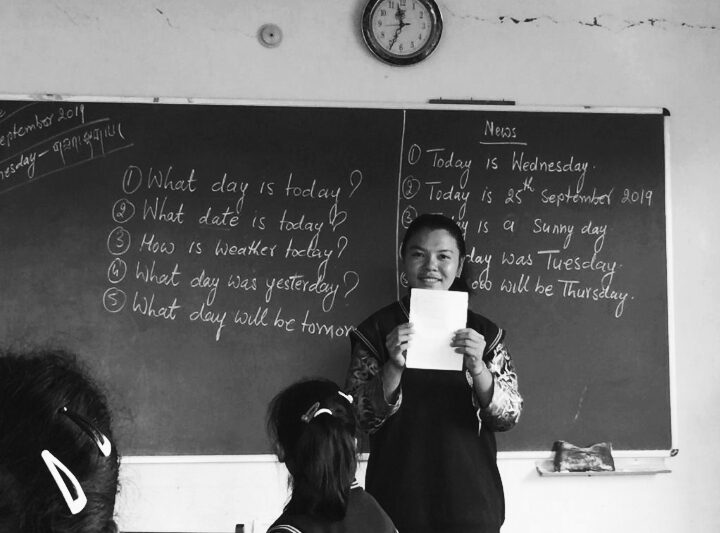
English & Tibetan
English classes use storytelling and shared reading in the school library to engage special-needs students, helping them build vocabulary, communication skills, and a love for reading. Tibetan classes focus on cultural identity and language preservation, offering meaningful opportunities to learn and appreciate their mother tongue. At times, students join mainstream Tibetan classes, encouraging shared learning and a stronger connection to their culture and community.
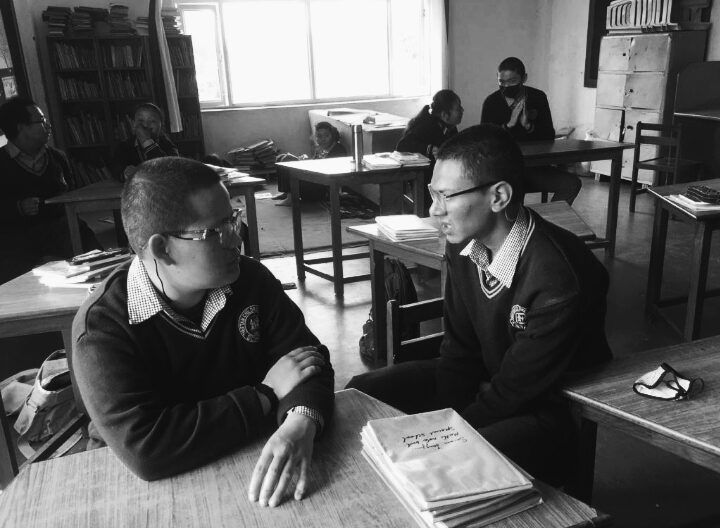
General Science
General Science is taught to special-needs students through interactive, hands-on activities that spark curiosity and help them understand how things work. Using simple experiments, visual aids, and practical tasks, learners can touch, observe, and explore real materials. Whenever possible, they join peers from other classes, promoting inclusion and shared learning. This supportive approach builds confidence, communication, and teamwork, ensuring every child enjoys and succeeds in science through meaningful, activity-based experiences.
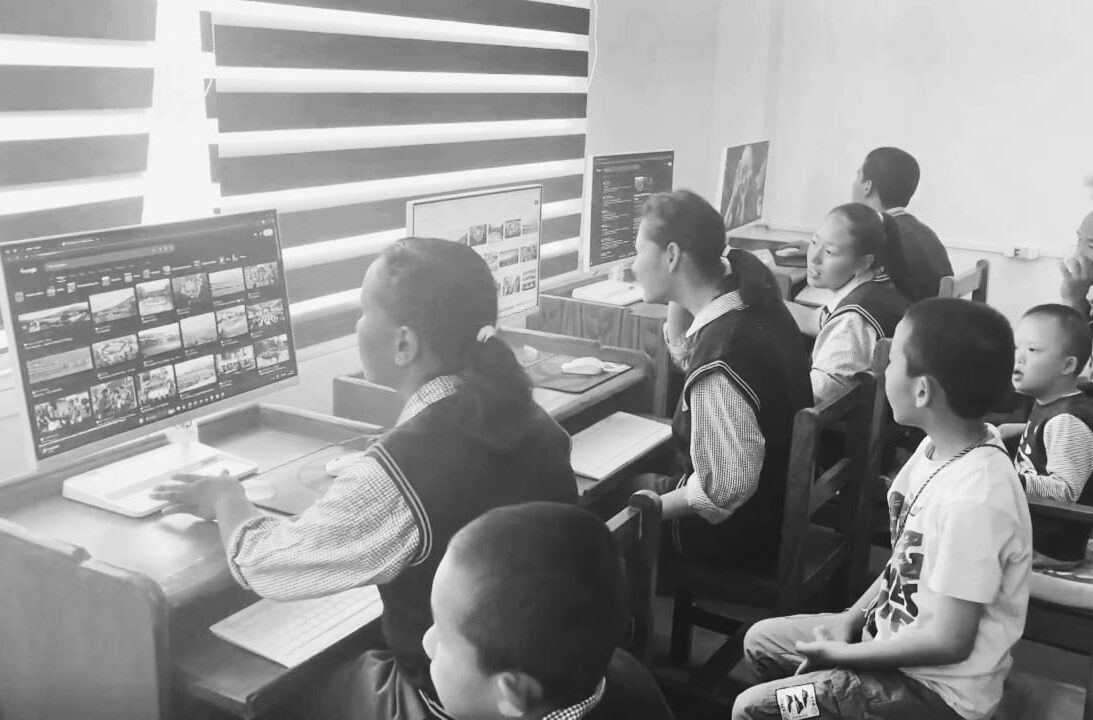
Computer
Computer classes for special-needs students provide individualized instruction, allowing each learner to progress at their own pace. Lessons include basic operations, typing practice, educational games, and simple software use to build confidence and digital skills. When appropriate, students join peers in group math activities, using computers to strengthen numeracy through interactive programs. This blend of personalised learning and group participation supports independence, social development, and meaningful engagement with technology.
Library & ICT
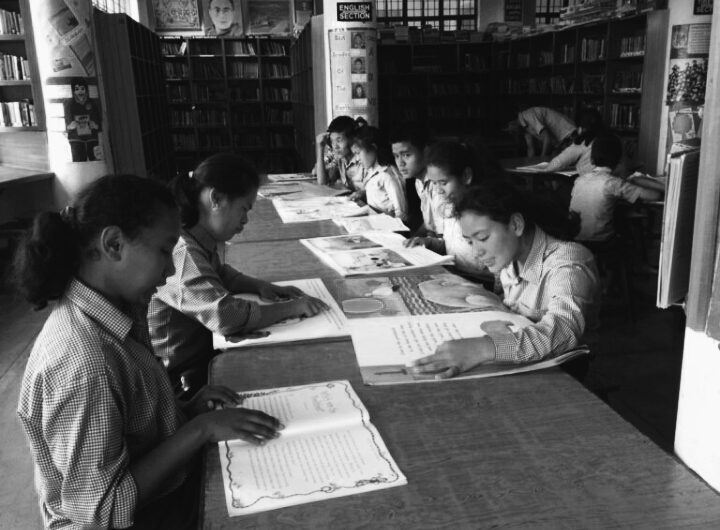
Special needs students are given shared access to the school library and computer lab, ensuring equal learning opportunities alongside their peers. In the library, they engage with age-appropriate books, storytelling, and guided reading to build language and comprehension skills. In the computer lab, students learn basic digital skills through simple software, educational games, and supported practice. This combined access promotes inclusion, independence, and confidence while helping every learner participate meaningfully in the school community.
Physical Training
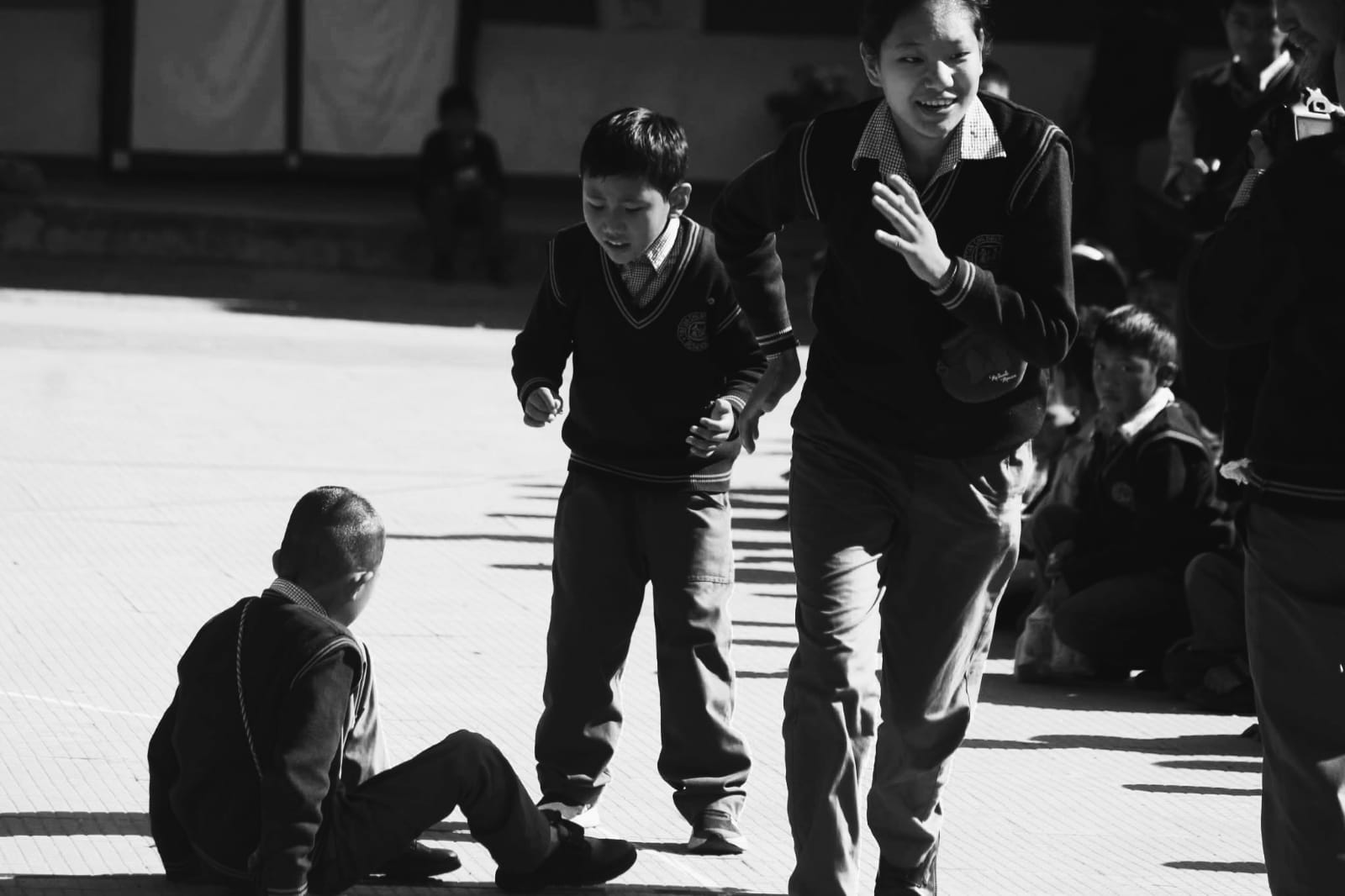
Physical training for special needs students is adapted to each child’s ability, ensuring safety, comfort, and meaningful participation. Activities focus on improving coordination, strength, balance, and motor skills through simple exercises and fun movement routines. Whenever possible, students practice together with peers from the main school to encourage social interaction, teamwork, and inclusion. With supportive guidance from teachers, every child is encouraged to stay active, build confidence, and enjoy physical activities at their own pace.
Music & Dance
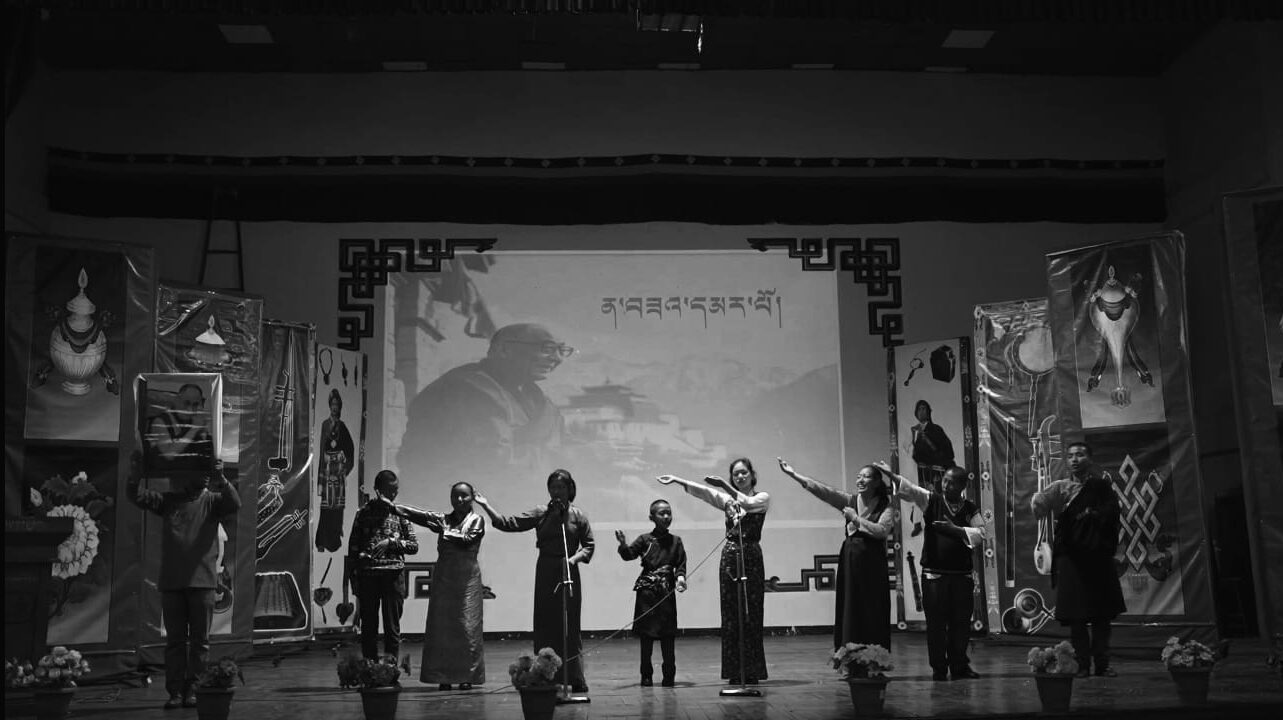
Special needs students actively participate in school performances, music lessons, and cultural dance programs, allowing them to express themselves through rhythm and movement. With supportive guidance, they learn simple musical patterns, songs, and dance steps adapted to their abilities. These activities help build confidence, coordination, and a sense of joy. Joining their peers in performances and cultural events also strengthens inclusion, showcases their talents, and encourages positive social interaction within the larger school community.
Art & Painting
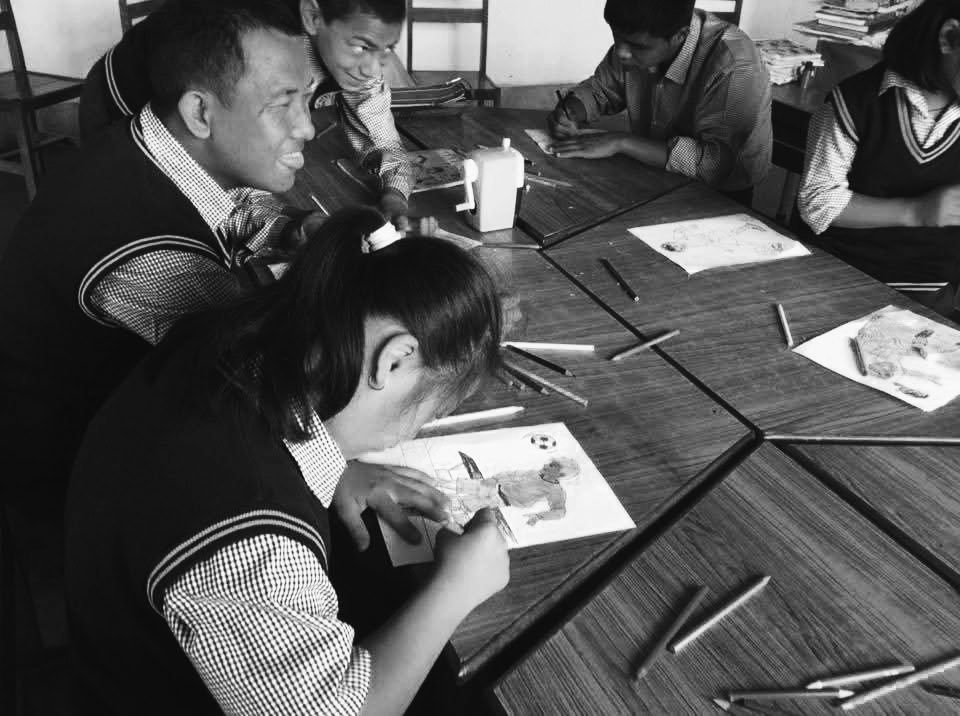
These activities for special needs students are fully integrated with regular school art classes and exhibitions. Students explore drawing, coloring, and craftwork using adapted materials and techniques suited to their abilities. Working alongside their peers encourages creativity, self-expression, and confidence. Displaying their artwork in school exhibitions gives them a sense of achievement, promotes inclusion, and helps the wider school community appreciate their unique talents and perspectives.